Showing posts with label Persian Cucumber. Show all posts

Saturday, June 5, 2021

Salmon Burgers

Salmon Burgers
Yield 4 servings
Ingredients:
1½ lb. boneless, skinless center-cut salmon, patted dry, cut into 2" pieces
5 scallions
1 (1") piece ginger, peeled, finely grated, Rice Flour, Water
1 garlic clove, finely grated
2 tablespoons plus ⅔ cup mayonnaise
1 tsp. kosher salt, plus more
1 tsp. toasted sesame oil
4 tsp. unseasoned rice vinegar, divided
3 medium Persian cucumbers, shaved lengthwise
½ serrano chile, very thinly sliced
1 tsp. sugar
¼ cup (or more) vegetable oil
½ cup rice flour
2 cups tender herbs (such as mint and/or cilantro)
¾ cup trimmed watercress
2 tsp. toasted sesame seeds (optional)
4 brioche buns, lightly toasted

Directions:
Process one third of salmon (about 8 oz.) in a food processor, scraping down sides as needed, until very smooth and paste-like. 

Add remaining salmon and pulse until pieces are no bigger than ¼," 4–5 times (be careful not to make it too smooth). Transfer to a large bowl.

Remove dark green tops from scallions and finely chop. Thinly slice white and pale green parts and set aside. Add chopped scallion greens, ginger, garlic, 2 Tbsp. mayonnaise, and 1 tsp. salt to salmon and gently mix to combine. Form mixture into 4 patties about ¾" thick. Transfer to a parchment-lined rimmed baking sheet and cover with plastic wrap. 

Chill at least 1 hour or up to 3 hours.

Meanwhile, mix sesame oil, 1 tsp. vinegar, remaining ⅔ cup mayonnaise, and a pinch of salt in a small bowl; set aside.

Toss cucumbers with a pinch of salt in another small bowl. Massage with your hands for a few minutes to soften and expel liquid; discard liquid. Add chile, sugar, and 2 tsp. vinegar and toss to coat. Cover and chill pickles until ready to assemble burgers.

Heat vegetable oil in a large nonstick skillet over medium-high. Remove salmon patties from refrigerator and sprinkle with flour just to coat the outside (you won’t need all of it). The patties will be a little loose but you can always pat them back together with your hands before they hit the pan. 

Working in batches and adding more oil in between batches if needed, cook patties until golden brown, about 3 minutes per side (watch carefully; you don’t want to overcook).

Toss herbs, watercress, sesame seeds (if using), reserved white and pale green parts of scallions, remaining 1 tsp. vinegar, and a pinch of salt in a medium bowl. Build burgers with buns, patties, herb mixture, pickles, and reserved sauce.

Reader Review: This is an excellent recipe, but could afford a few changes. The flavors are subtle, but maybe a bit too subtle. I added a half tsp ground pepper which was definitely needed, but still a few more changes would help. So the next time I make this I will increase the ginger by double (I couldn't taste it in this recipe), and I think I will add a little bit of cayenne. It comes together easily and quickly - good for a week night dinner. Except for needing to increase the flavors just a bit, this is excellent. the salmon remains the star as it should.

Saturday, May 29, 2021

Cauliflower Fried Rice With Curried Shrimp

Cauliflower Fried Rice With Shrimp 

Ingredients
1 pound large deveined shrimp
Kosher salt
2 teaspoons curry powder
5 tablespoons vegetable oil
1 onion, chopped
3 scallions, thinly sliced (white and green parts
   separated
1/4 cup sliced almonds
1 tablespoon minced fresh ginger
3 cloves garlic, minced
3 cups cooked long-grain white rice (thawed if frozen)
2 cups frozen riced cauliflower, thawed
Sliced Persian cucumber, Mango chutney, plain yogurt
   and lime wedges for serving


Directions:
Season the shrimp lightly with salt and toss with 1 teaspoon curry powder. Heat 2 tablespoons vegetable oil in a large nonstick skillet over high heat. Add the shrimp and cook until lightly browned around the edges and just cooked through, 1 to 2 minutes per side. Remove to a plate.

Add the remaining 3 tablespoons vegetable oil to the skillet along with the onion and scallion whites. Cook, stirring occasionally, until softened and lightly browned, about 3 minutes. Stir in the almonds, ginger, garlic and remaining 1 teaspoon curry powder. Cook, stirring, until the almonds are lightly toasted, about 1 minute. Add the white rice, riced cauliflower and 1/2 teaspoon salt. 

Cook, tossing and breaking up any clumps, until lightly toasted and heated through, about 3 minutes. Add the shrimp and toss until warmed through, about 1 minute; season with salt.

Divide the fried rice and shrimp among bowls. Serve with sliced cucumber, mango chutney, plain yogurt and lime wedges. Top with the scallion greens.

Cook’s Note
Try mixing white rice with riced vegetables, like we did for this dish. It’s an easy way to get extra nutrients!

Friday, May 14, 2021

Ultra-Creamy Hummus

Ultra-Creamy Hummus
And here’s the best part: Superlative hummus requires only a little more time and effort to make than that lunch box stuff. Here’s my component-by-component approach.


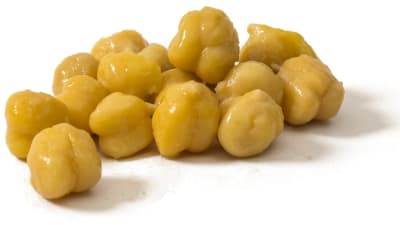
2 cans Chickpeas, drained and rinsed well. 
1/2 tsp baking soda, will help take skins off.
Cook in 6 cups water, bring to boil for 20 minutes

While the Garbanzo Beans are boiling 
4 cloves garlic, minced  
Measure 1 tablespoon minced garlic and add to 1/3 cup lemon juice
Add 1 teaspoon salt  
Stir and let set for 10 minutes 
Strain to remove garlic, dispose garlic

When ready, drain garbanzo beans.  Add cool water to pan.  Swish with hand in water which allows skins to release and scoop out released skins. Rinse 3 or 4 times to remove skins.
Save  2 tablespoons of chick peas for garnish

Place chick peas in food processor with marinated lemon juice, 
1/4 cup water (I would suggest starting with 3 
   tablespoons) 
1/4 tsp cumin
1/4 cup Tahini. (light colored tahini is not bitter)
Stir in by hand, 2 T olive oil

Serve with:
Carrots cut at a diagonal 3" or 4"
Radishes
Persian cucumbers, quartered lengthwise
Pita bread (thick)

For Garnish:
Sprinkle of cumin
Couple of chick peas 
Parsley
Drizzle of olive oil

Notes:
How you treat the chickpeas impacts the consistency of hummus more than any other factor, because they are firm (even when cooked) and covered in tough skins.

My most effective tricks were overcooking them and removing their skins. It takes hours to soak and simmer dried chickpeas, but simmering canned beans took about 20 minutes. (There’s no shame here: Dried and canned beans are equally good in this recipe.) I also added baking soda to the saucepan, which raised the water’s pH and helped the skins break down and slip off. By the end of cooking, there was a “raft” of skins floating on the surface that was easy to remove by draining and rinsing the beans a few times.


Tahini
Tahini is hummus’s major source of richness and flavor and significantly affects its consistency. Brand and color matter here, since the tahini’s shade indicates how much the sesame seeds have been roasted. Lighter tahini, made with lightly roasted sesame seeds, tastes distinct but mild, whereas darker tahini, made with heavily roasted sesame seeds, is unpleasantly bitter.

One thing I discovered: It’s important to process the other hummus ingredients before adding the tahini. That’s because its proteins readily absorb water and clump, resulting in overly thick hummus. Processing the other ingredients without the tahini allows the water to disperse throughout the mixture; then, when the tahini is eventually added, its proteins can’t immediately absorb the water and clump, and the hummus doesn’t become stiff.

Water
Water is often added to enhance the spread’s creaminess. I started with 1/4 cup and, depending on the consistency of the tahini and the hummus itself (it thickens as it sits), added more water by the teaspoon.

Olive Oil
Typically, all the fat in hummus comes from tahini, but 2 tablespoons of extra-virgin olive oil made my version especially silky. To avoid overprocessing the oil, which can release bitter-tasting compounds, I added it with the tahini.
Lemon Juice + Garlic
Instead of incorporating garlic directly into the hummus as most recipes do, I briefly steeped a few minced cloves in lemon juice, strained and discarded them, and added only the infused juice to the dip—a technique from chef Michael Solomonov’s popular hummus recipe and one that we’ve used in the past for Caesar dressing. The juice’s acid neutralizes alliinase, the enzyme that creates garlic’s harsh flavor. That way, we capture some—but not too much—of the garlic’s sharp, raw bite and strain out the pulpy bits.