Showing posts with label Apple. Show all posts

Tuesday, January 27, 2026

Golden Chickpea Soup. ~. Vegan

 
Golden Chickpea Soup 
This vegan chickpea soup is bursting with flavor. Made with veggies and rice in a golden turmeric coconut milk broth. A cheery soup for cozy winter days. Gluten free.  Serves 8
Ingredients:
1 tablespoon coconut oil or EVOO
1 onion diced
4 garlic cloves
1 tablespoon fresh ginger, grated 
2 teaspoons fresh turmeric grated finely or 1/2 teaspoons powdered 
1/2 teaspoon yellow curry powder
2 teaspoon coriander
1 teaspoon cumin
 1/4 teaspoon cinnamon
2 carrots diced
1 celery stalk diced
1/2 cup apple diced small
1/4 to 1/2 cup jasmine or basmati rice 
5 cups vegetable broth
2 cups Swiss chard, greens and stems chopped (sub spinach or Kale)
1 can garbanzo beans or chick peas
1 1/2 teaspoon salt (adjust to taste)
1/2 teaspoon black pepper, or to taste
1 cup coconut milk (full fat, canned)
Pinch of cayenne to taste
2 teaspoons lemon juice or apple cider vinegar to taste 
*Optional,  Garnish each bowl with fresh parsley, red pepper flakes, and a drizzle of coconut yogurt.
Directions:
In a large heavy bottom pan or Dutch oven, sauté onion in oil over medium heat 5 minutes until fragrant and golden.  Add garlic, ginger, and fresh turmeric and stir 2 to 3 minutes until garlic is fragrant and golden.

Turn the heat to medium, add curry powder, cumin, coriander, cinnamon, carrots and celery, apples and rice and sauce for another 5 minutes, stirring often.

Add broth, greens, chickpeas and salt and pepper..  Cover with a vented lid and simmer for 20 minutes or until rice and veggies are tender.  Add coconut milk and heat until warm,

Taste the soup and add lemon and cayenne if desired.  Adjust seasonings adding salt and pepper as needed.


Saturday, November 29, 2025

Apple Fennel Flatbread

                                           
Apple Fennel Flatbread
Ingredients:
1 pound pre-made pizza dough
1 apple, cored, halved, thinly sliced
1 bulb of fennel, thinly sliced, fronds reserved for garnish
1 tablespoon thyme leaves
¼ cup of grated gruyere
Extra virgin olive oil
Salt to taste

Directions:
Preheat oven to 475° and bring pre-made pizza dough to room temperature.

Drizzle 2 tablespoons of olive oil onto a foil-lined sheet pan. Using your fingers or a brush, spread the oil into an even layer.

Stretch and shape pizza dough to fill as much of your pan as possible. 

Drizzle dough with a few tablespoons of olive oil and a generous sprinkle of salt.

Top with apples, fennel, thyme leaves, and grated gruyere cheese. 

Once again, drizzle with a little oil and sprinkle with salt.

Bake the flatbread for 10 to 15 minutes until the cheese is melty and bubbly and the crust is golden brown.

Slice into wedges and sprinkle with reserved fennel fronds.
Serves 1 - 2


Monday, November 10, 2025

Figgy Pudding

Figgy Pudding. NY Times
Also known as plum pudding or Christmas pudding, figgy pudding is a traditional British dessert served on Christmas. (“Pudding” in the United Kingdom is what “dessert” is called elsewhere.) Many families boast their own recipes, but in general, this rich cake-like dessert is made with a mix of dried fruits soaked in liquor, warm spices, fresh breadcrumbs, nuts and sometimes candied citrus. Beef suet, which is available online, is the traditional fat used, but it can be substituted with butter.  Figgy pudding preparations often begin the Sunday before Advent, on Stir-up Sunday, when family members take turns stirring the pudding. Figgy pudding requires planning, so start shopping for ingredients at least one month before Christmas. After the initial steam, the pudding rests at least 3 weeks for the flavors to meld. The pudding can also be made months in advance, stored in the freezer and reheated before serving. The final presentation of drizzling it with liquor and setting it on fire is worthy of a grand holiday celebration.
9 hours cooking  3 weeks resting. 10 servings
Ingredients:
For The Pudding
1cup/150 grams dried currants, (see Tip 1)
1cup/150 grams raisins
1cup golden raisins or sultanas
3/4 cup brandy plus more for serving
5 ounces/150 grams packaged, not fresh, beef suet, or
    ¾ cup/172 grams unsalted butter
120 grams fresh white bread (3 to 4 slices)
8 tablespoons unsalted butter softened at room temperature
1cup/150 grams packed dark brown sugar
½cup/70 grams all-purpose flour
½teaspoon baking powder
1teaspoon pumpkin pie spice (see Tip 3)
½teaspoon kosher salt (such as Diamond Crystal)
1medium tart apple, preferably Granny Smith
2 large eggs
1tablespoon black treacle or molasses, to taste (optional)
½teaspoon lemon zest
⅓cup/50 grams blanched slivered almonds
Unsalted butter, for greasing
Hard sauce, ice cream, fresh heavy cream or English custard, for serving (optional)

For The Hard Sauce
8 tablespoons/115 grams unsalted butter, softened at room temperature
¾ cup/93 grams confectioners’ sugar, plus more to taste
2 to 3 tablespoons brandy, to taste.

Directions:
      Set aside a 2 liter pudding or a heat-proof bowl as well as a lidded pot of similar size.

      Place the currants and both types of raisins in a medium bowl. Add the brandy, mix, cover with plastic wrap and set aside at room temperature to soak overnight. Place the suet or butter in the freezer to make grating easier later.

    The following day, cube the bread, including the crust, transfer it to a food processor and pulse until you have fine crumbs. (Alternatively, you can shred the bread by hand.

    Transfer the bread crumbs to a large mixing bowl. Add the brown sugar, flour, baking powder, pumpkin spice and salt; mix, breaking up any clumps of brown sugar. Peel the apple, then grate it and the suet (or butter) on the large hole of a box grater over the dry ingredients. Add the eggs, black treacle and lemon zest. Mix well with a wooden spoon; the mixture will be thick. Stir in the almonds and the brandy-soaked currants and raisins, along with any of the liquid.

At this point, the pudding can be steamed; or covered and refrigerated for up to 1 week for the flavors to deepen, and then steamed. To steam: Generously butter the pudding mold and transfer the mixture to it, filling the mold only ¾ of the way (the pudding will expand as it cooks). Pack down the mixture and smooth the top.   

Cut a round piece of parchment that will fit on top of the pudding mixture; butter one side and place it, buttered-side-down, on top. Cover the top of the mold with another piece of parchment that has a little overhang. Secure the parchment tightly to the rim of the mold with a rubber band or string, then trim the overhang. (Two sets of hands make this job easier.) Repeat with another piece of parchment paper. (This is important to do even if your mold comes with a lid. If a lid is included, place it over the parchment and cover the top of the lid tightly with foil. If you don’t have a lid, cover the parchment with 2 pieces of foil. You want to ensure you have a water-tight seal on the mold as it steams.)

Place the steamer basket in the pot. (If not using a steamer basket, place an inverted heat-proof plate or trivet, a folded cotton kitchen towel, or a couple of layers of aluminum foil on the bottom of the pot. Anything heat-proof that the pudding mold can safely sit on to prevent direct contact with the heat source will work.) Fill the pot ¼ of the way with water and bring to boil. Bring a separate kettle or small pot of water to boil. Carefully lower the pudding mold into the steamer basket, or rest it on top of whatever is in the bottom of the pot to prevent scorching. The water should come halfway up the sides of the mold. If it doesn’t, slowly add more boiling water from the kettle along the sides of the pot. Cover the pot, adjust the heat to medium-low or low —the water should be at a constant gentle simmer, but not boiling — and steam the pudding for 6 hours.

Check the pudding every 30 minutes to make sure the water is always at the halfway mark, adding more boiling water as needed. After 6 hours, carefully remove the mold from the pot and cool to room temperature. Store the pudding, covered in its mold, in the fridge for at least 3 weeks and up to 6 weeks, or in the freezer for up to one year (see Storage Tips).

Prepare the hard sauce, if using: Two days and up to 1 week before serving, place the butter in the bowl of a stand mixer fitted with the paddle attachment. (Alternatively, use a hand-held beater and a mixing bowl.) Beat on medium until light and creamy, about 2 minutes. Add the confectioners’ sugar and beat on medium just until smooth. Taste and add more sugar, if desired. Add the brandy, to taste, 1 tablespoon at a time, and mix by hand with a spatula until combined. Transfer to a serving dish, smooth the top, cover and refrigerate until hard.

About 2 hours before serving the pudding, reheat the pudding by steaming as directed in Step 7, this time for 1 hour. Remove the mold from the pot and peel off all the coverings, being mindful of the steam. Place a serving dish over the mold and invert the pudding. Don’t remove the mold right away. Give it a little time and a jiggle to help release the pudding.
                                                                                                          Pour 2 to 3 tablespoons of brandy in a heat-proof ladle. Hold the ladle over the pudding and carefully light it. As soon as the brandy catches fire, pour it over the pudding. The pudding will light up in a blue haze; it will extinguish quickly on its own.                                                                                                                                                                       Slice the pudding and serve it warm with hard sauce, ice cream, or drizzled with heavy cream or custard. The pudding will keep in the fridge for up to 1 week, wrapped well in parchment and again in plastic wrap or aluminum foil.                                                           TIPS                                                                                       Feel free to substitute a variety of dried fruits for the currants and raisins, such as diced figs, apricots or cherries.                                                                                                                                                       Beef suet, a fat used in many British recipes, is traditional here. It comes packaged in a hard block or pellets. Fresh suet has a strong, meatier odor and taste, so it is not recommended here.                                                                                                                      Traditionally, an English spice mix is used that includes many of the spices used in American pumpkin spice mix, as well as ground coriander and mace. If you like, you can add a tiny pinch of those to the pumpkin spice.                                                                                                                                                                                                                                             If you’d like to remove the steamed pudding from the mold before storing it, wrap it very tightly with plastic wrap, then in foil. Before reheating, unwrap the pudding and transfer it back to the mold.


Step 1

Set aside a 2-liter pudding mold or similarly sized heat-proof bowl, as well as a lidded pot or steamer large enough to hold the mold. (A tall pot, like a stock pot or a pasta pot with a steamer basket, works well.)
Step 2


Place the currants and both types of raisins in a medium bowl. Add the brandy, mix, cover with plastic wrap and set aside at room temperature to soak overnight. Place the suet or butter in the freezer to make grating easier in Step 4.
Step 3


The following day, cube the bread, including the crust, transfer it to a food processor and pulse until you have fine crumbs. (Alternatively, you can shred the bread by hand.)

Step 4


Transfer the bread crumbs to a large mixing bowl. Add the brown sugar, flour, baking powder, pumpkin spice and salt; mix, breaking up any clumps of brown sugar. Peel the apple, then grate it and the suet (or butter) on the large hole of a box grater over the dry ingredients. Add the eggs, black treacle and lemon zest. Mix well with a wooden spoon; the mixture will be thick. Stir in the almonds and the brandy-soaked currants and raisins, along with any of the liquid.


Step 5


At this point, the pudding can be steamed; or covered and refrigerated for up to 1 week for the flavors to deepen, and then steamed. To steam: Generously butter the pudding mold and transfer the mixture to it, filling the mold only ¾ of the way (the pudding will expand as it cooks). Pack down the mixture and smooth the top.
Step 6


Cut a round piece of parchment that will fit on top of the pudding mixture; butter one side and place it, buttered-side-down, on top. Cover the top of the mold with another piece of parchment that has a little overhang. Secure the parchment tightly to the rim of the mold with a rubber band or string, then trim the overhang. (Two sets of hands make this job easier.) Repeat with another piece of parchment paper. (This is important to do even if your mold comes with a lid. If a lid is included, place it over the parchment and cover the top of the lid tightly with foil. If you don’t have a lid, cover the parchment with 2 pieces of foil. You want to ensure you have a water-tight seal on the mold as it steams.)
Step 7


Place the steamer basket in the pot. (If not using a steamer basket, place an inverted heat-proof plate or trivet, a folded cotton kitchen towel, or a couple of layers of aluminum foil on the bottom of the pot. Anything heat-proof that the pudding mold can safely sit on to prevent direct contact with the heat source will work.) Fill the pot ¼ of the way with water and bring to boil. Bring a separate kettle or small pot of water to boil. Carefully lower the pudding mold into the steamer basket, or rest it on top of whatever is in the bottom of the pot to prevent scorching. The water should come halfway up the sides of the mold. If it doesn’t, slowly add more boiling water from the kettle along the sides of the pot. Cover the pot, adjust the heat to medium-low or low —the water should be at a constant gentle simmer, but not boiling — and steam the pudding for 6 hours.
Step 8


Check the pudding every 30 minutes to make sure the water is always at the halfway mark, adding more boiling water as needed. After 6 hours, carefully remove the mold from the pot and cool to room temperature. Store the pudding, covered in its mold, in the fridge for at least 3 weeks and up to 6 weeks, or in the freezer for up to one year (see St
  1. orage 


    Tips).Step 9

  2. Prepare the hard sauce, if using: Two days and up to 1 week before serving, place the butter in the bowl of a stand mixer fitted with the paddle attachment. (Alternatively, use a hand-held beater and a mixing bowl.) Beat on medium until light and creamy, about 2 minutes. Add the confectioners’ sugar and beat on medium just until smooth. Taste and add more sugar, if desired. Add the brandy, to taste, 1 tablespoon at a time, and mix by hand with a spatula until combined. Transfer to a serving dish, smooth the top, cover and refrigerate until hard.

  3. Step 10

    About 2 hours before serving the pudding, reheat the pudding by steaming as directed in Step 7, this time for 1 hour. Remove the mold from the pot and peel off all the coverings, being mindful of the steam. Place a serving dish over the mold and invert the pudding. Don’t remove the mold right away. Give it a little time and a jiggle to help release the pudding.

  4. Step 11

    Pour 2 to 3 tablespoons of brandy in a heat-proof ladle. Hold the ladle over the pudding and carefully light it. As soon as the brandy catches fire, pour it over the pudding. The pudding will light up in a blue haze; it will extinguish quickly on its own.

  5. Step 12

    Slice the pudding and serve it warm, topped with hard sauce or ice cream, or drizzled with heavy cream or custard. The pudding will keep in the fridge for up to 1 week, wrapped well in parchment and again in plastic wrap or aluminum foil.

TIPS
  • Tip 1: Feel free to substitute a variety of dried fruits for the currants and raisins, such as diced figs, apricots or cherries.
  • Tip 2: Beef suet, a fat used in many British recipes, is traditional here. It comes packaged in a hard block or pellets. Fresh suet has a strong, meatier odor and taste, so it is not recommended here.
  • Tip 3: Traditionally, an English spice mix is used that includes many of the spices used in American pumpkin spice mix, as well as ground coriander and mace. If you like, you can add a tiny pinch of those to the pumpkin spice.
  • Tip 4: If you’d like to remove the steamed pudding from the mold before storing it, wrap it very tightly with plastic wrap, then in foil. Before reheating, unwrap the pudding and transfer it back to the mold.


Wednesday, November 5, 2025

Sheet Pan Pork Tenderloin With Caramelized Fennel And Apple

Saturday, October 18, 2025

Wild Rice, Kale, And Fennel Salad

Wild Rice, Kale And Fennel Salad
Despite its name, wild rice is not actually a rice but is instead a species of aquatic grass and the grain that can be harvested from it. Northern wild rice is an annual plant native to Wisconsin and the Great Lakes region. In northern Wisconsin, it grows in shallow freshwater lakes and slow-flowing streams and is harvested in early autumn.

Ingredients

For Vinaigrette:

½ cup apple cider vinegar

¼ cup whole-grain mustard

¼ cup maple syrup

3 cloves garlic, minced

Salt and pepper, to taste

¾ cup sunflower oil

For Salad:

1 cup wild rice, cooked, drained and cooled 

½ cup black beans, cooked, drained and cooled (or 1 [14 oz] can, rinsed and drained)

1 small bunch lacinato kale, stemmed and thinly sliced

1 small bunch curly kale, stemmed and thinly sliced

1 small red onion, diced

1 head fennel, cored and diced

1 sweet red Carmen pepper or bell pepper, diced

1 bunch parsley, stemmed and chopped

½ cup dried cranberries, preferably unsweetened

1 tart, crisp apple, cored and chopped

½ cup toasted hazelnuts or pepitas

4 ounces crumbled blue cheese, feta or goat cheese (optional)


Directions

To make the vinaigrette, whisk together the apple cider vinegar, mustard, maple syrup, garlic, salt and pepper in a large bowl. Whisk the mixture continuously while you drizzle in the sunflower oil.


n the same bowl, toss the vinaigrette together with the wild rice, black beans, sliced kale, onion, fennel, bell pepper, parsley, cranberries and apple. Taste and season to taste.


Mix in the toasted nuts and cheese before serving.


Suggestions

This salad is sturdy enough to be made up to 3 days in advance. Freshen it up with a little extra oil and a splash of vinegar if needed before serving.

Wednesday, September 17, 2025

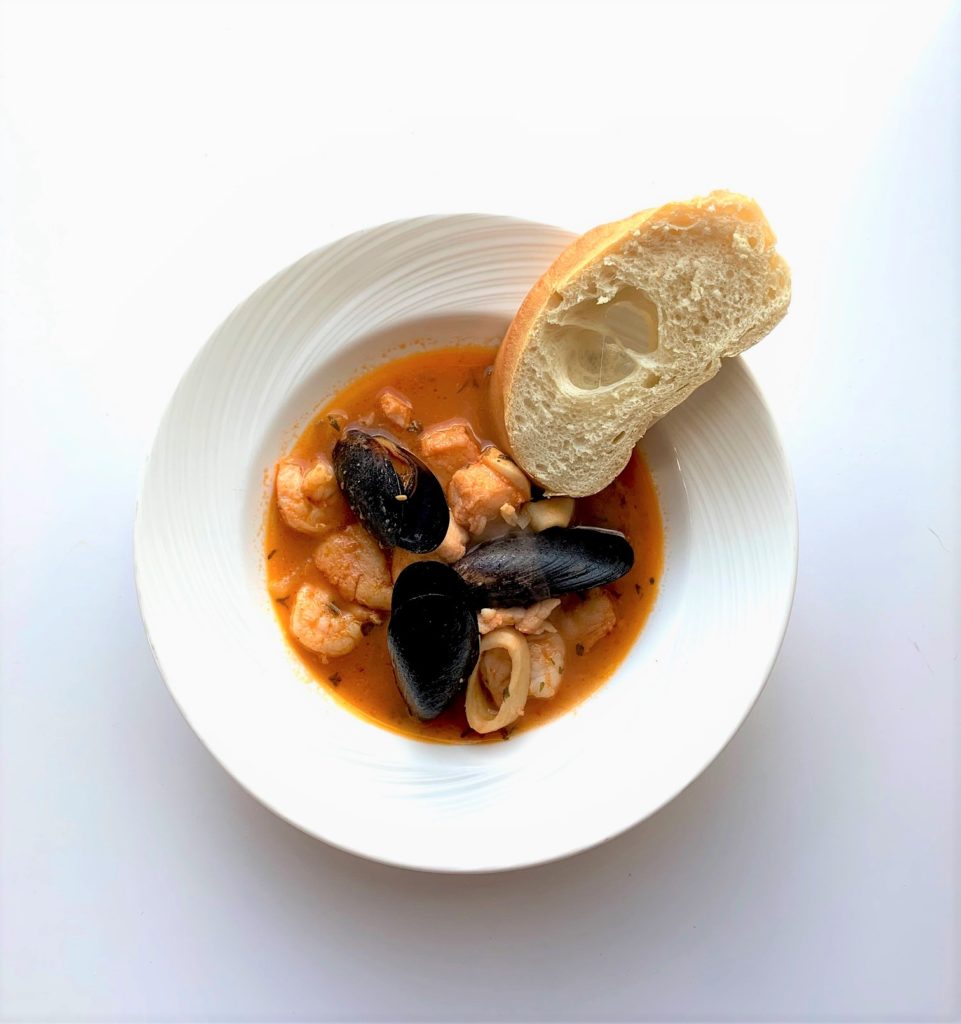
Irish Seafood Stew

                               
                                     Irish Seafood Stew

Fisherman’s Stew consists of fresh seafood mixed with amazing herbs and spices. Pair it with a nice Irish Whiskey on the side – you can’t go wrong!  The recipe is pretty simple and easy to prepare. You basically create a delicious broth, throw in the seafood and serve hot with a side of crusty bread. 

Ingredients:
1 cup crushed tomatoes, or fresh chopped tomatoes
2 cups fish stock
¼ teaspoon red chili flakes
2 tablespoons olive oil
2 tablespoons butter
4 cloves garlic, thinly sliced
½ very thinly sliced fennel bulb (must be fresh!!)
½ cup white wine
¼ cup chopped parsley
8 ounces firm white fish, halibut or sea bass, cut into 1.5-inch cubes
8 peeled and deveined raw shrimp
8 ounces cleaned, ready to cook calamari
12 muscles, scrubbed clean
12 clams, scrubbed clean
Salt to taste
Crusty bread on the side (great for dipping!)


Directions:
Combine tomatoes, red pepper flakes and water into a medium sized bowl. Pour all into a blender or food processor- blend until smooth. Set aside.

Cut white fish into 1 ½ chunks to match the other seafoods size. Set aside. Clean all other seafood and set aside.

Melt butter and olive oil in a large pot on medium heat.

Add in sliced fennel, garlic and salt. Cook and stir until the garlic takes on color – about 1 minute. Stir in white wine. Let it simmer until reduced by about half – 2 to 3 minutes.

Combine tomato puree and white wine mixture. Bring to a boil. Continue to boil until fennel is tender – 2 to 3 minutes. Taste and add seasonings as needed.

Stir in parsley, white fish, shrimp and calamari. Then add in clams and mussels. Cover, increase heat to high and cook until clam and mussel shells open. White fish, shrimp and calamari should be opaque in
color – about 5 minutes of cooking.

You’re done! Pour into serving bowls, add some chunky bread on the side and pour yourself an Irish Whiskey.

Saturday, May 11, 2024

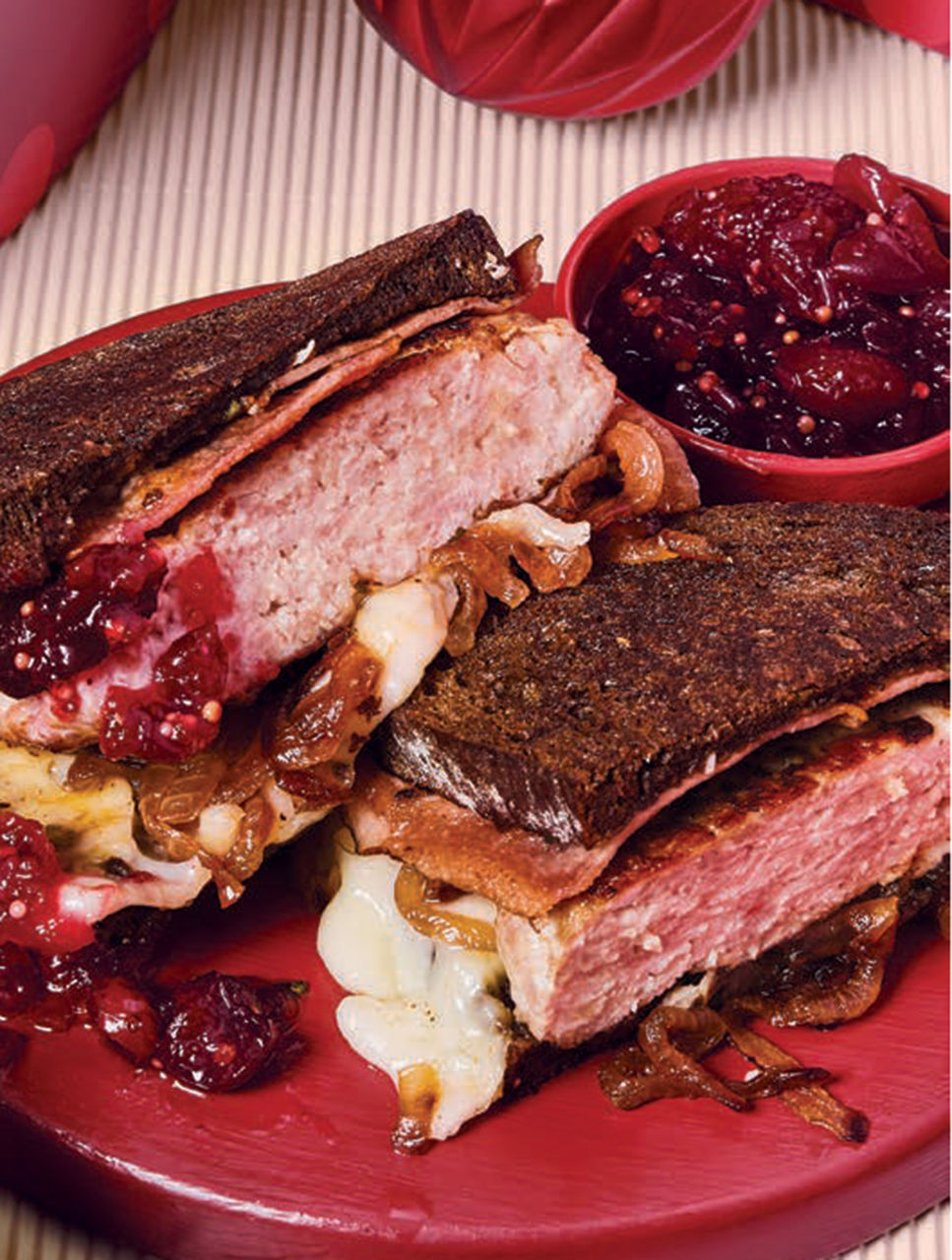
Patty Melts With Cranberry Chutney

Patty Melts with Cranberry Chutney
Part grilled cheese, part burger, this patty melt offers the best of both worlds in one satisfying sandwich. Made with turkey, onion, sage and cranberry.  The recipe makes more cranberry chutney than you need, but it freezes well and is terrific with poultry or pork.
Ingredients:
Cranberry Chutney
1 cup (250 mL) water
3/4 cup (175 mL) sugar
12 oz (340 g) fresh or frozen cranberries, about 3 1/2 cups 875 mL
1 cup (250 mL) grated peeled Granny Smith apple
1/4 cup (60 mL) minced shallot
3/4 cup (175 mL) apple cider vinegar
1 tsp (5 mL) yellow mustard seeds
1/4 tsp (1 mL) ground ginger
1/4 tsp (1 mL) ground mace
1/2 tsp (2 mL) salt
Burgers
2 lbs (905 g) ground turkey, preferably dark meat
1 egg
1/2 cup (125 mL) panko breadcrumbs
1 1/2 tsp (7 mL) salt
Freshly ground pepper to taste
2/3 cup (150 mL) mayonnaise
2 tbsp (30 mL) finely chopped fresh sage
1 tbsp (15 mL) finely minced fresh garlic
Canola oil for cooking
2 cups (500 mL) thinly sliced white onion
8 slices turkey bacon
8 slices pumpernickel bread
8 slices Swiss cheese, about 1 oz (30 g) each
1/2 cup (125 mL) unsalted butter, softened, divided
Directions:
For the chutney, combine all ingredients in medium pot over high heat. Bring to boil. Reduce heat to maintain a simmer. Cook, stirring occasionally, until liquid has evaporated and mixture is thick, 15 to 20 minutes. Remove from heat and cool completely. Transfer to an airtight container. Refrigerate up to 3 weeks.

For the burgers, combine ground turkey, egg, panko, salt and pepper in a large bowl. Using hands, mix thoroughly. Form into four equal oval patties to fit bread slices. Place in an airtight container and refrigerate for at least 30 minutes or up to 1 day.

Mix mayo, sage and garlic in small bowl to make an aïoli. Cover and refrigerate up to 1 day.

In a medium frying pan, warm a film of oil over medium-high heat. Add onion and reduce heat to medium-low. Cook, stirring occasionally, until onions are golden and soft, about 25 minutes. Remove from heat and set aside.

Heat a film of oil in a very large skillet over high heat. Add bacon and reduce heat to medium. Cook until brown and crispy, about 2 to 3 minutes per side. Drain on paper towel. Set aside.

Wipe out skillet, add a fresh film of oil and place over high heat. Add patties, reduce heat to medium and cook until well browned on both sides and an internal temperature of 165°F (74°C) is reached, 4 to 5 minutes per side. Transfer to a plate.

Lay out eight slices of bread, spread a little aïoli over each slice, then place a slice of cheese on top. Divide onions between four slices. Place turkey patty and two slices turkey bacon on onions. Top with remaining cheese slices, then bread.

Melt 1/4 cup (60 mL) butter in very large skillet over medium heat; add in sandwiches. Cook until brown and crisp on one side, about 3 to 4 minutes. Flip sandwiches and add remaining butter into pan. Cook until bread is crisp and cheese is melted, another 4 to 5 minutes.

Cut each melt in half and serve immediately with cranberry chutney.
Serves 4

Saturday, January 27, 2024

Apple-Ginger Sauerkraut

Apple-Ginger Sauerkraut

Simply going about their lives, microbes consume the food’s energy source and along the way create many byproducts such as vitamins, enzymes, and short-chain fatty acids—which are nutrients to us! Fermented foods are also a rich source of probiotics, the living microbes themselves.

When we consume fermented foods, we get the benefit of all these nutrients. Probiotics support our gut microbiome, the collection of trillions of microbes found throughout our digestive system. 

By consuming just a small amount of fermented foods or beverages (four to eight ounces of fermented veggies per day, or one to two fistfuls), we enjoy the many benefits fermented foods have to offer.

Preparation time: 15 minutes : Yield: 2 quarts

Fermentation time: 7 to 84 days, depending on weather and taste

Clean cabbage to wash off the dirt and remove any tough or floppy outer leaves.

Shred or thinly slice each cabbage into 1⁄4- to 1⁄2-inch ribbons and add to a large mixing bowl.

Sprinkle salt over shredded cabbage. Brine will form as salt draws water from the cabbage.

Squeeze or pound the mixture to break the cell walls and encourage water to seep out of vegetables.

Clean and thinly slice the apple into 1-inch bite-size pieces and add to the bowl. Wash ginger to remove dirt; peel if desired. Grate and add to mixing bowl.

Add caraway seeds to the mixing bowl. Mix all the ingredients together thoroughly.  Pack and Ferment

Add mixture to jars or a fermentation crock. Make sure to add every last drop of brine that has formed in the mixing bowl. Pack contents tightly so that there are no air bubbles and the top surface is even and flat.

Place weights on top of the sauerkraut, leaving at least 1 inch of headspace from the contents and the top of the container with the weights applied.

Cover the container with a dish towel or tea towel to keep out flies and dust. Secure with a rubber band, twist ties, or an elastic strap. Label your container with its contents and the date when you started fermenting it. I use blue painter’s tape and a permanent marker, and I always stick the label on the side of the container rather than the lid—those lids have a notorious habit of switching jars when you’re not looking, usually in the middle of the night! Stash sauerkraut containers in a cool place out of direct sunlight. I place my container in a conspicuous spot so that I don’t forget about it. Typically, I ferment sauerkraut for two weeks in warm weather or four weeks in cooler weather.

When taste and texture are to your liking, transfer the contents to jars and store them in the refrigerator.

Sauerkraut will last in the refrigerator for several months.
 

Apple-Ginger Sauerkraut

Preparation time: 15 minutes

Yield: 2 quarts

Fermentation time: 7 to 84 days, depending on weather and taste

Clean cabbage to wash off the dirt and remove any tough or floppy outer leaves.

Shred or thinly slice each cabbage into 1⁄4- to 1⁄2-inch ribbons and add to a large mixing bowl.

Sprinkle salt over shredded cabbage. Brine will form as salt draws water from the cabbage. 

Squeeze or pound the mixture to break the cell walls and encourage water to seep out of vegetables. 

Clean and thinly slice the apple into 1-inch bite-size pieces and add to the bowl. Wash ginger to remove dirt; peel if desired. Grate and add to mixing bowl.

Add caraway seeds to the mixing bowl. Mix all the ingredients together thoroughly.

Pack and Ferment

Add mixture to jars or a fermentation crock. Make sure to add every last drop of brine that has formed in the mixing bowl. Pack contents tightly so that there are no air bubbles and the top surface is even and flat.

Place weights on top of the sauerkraut, leaving at least 1 inch of headspace from the contents and the top of the container with the weights applied.

Cover the container with a dish towel or tea towel to keep out flies and dust. Secure with a rubber band, twist ties, or an elastic strap. Label your container with its contents and the date when you started fermenting it. I use blue painter’s tape and a permanent marker, and I always stick the label on the side of the container rather than the lid—those lids have a notorious habit of switching jars when you’re not looking, usually in the middle of the night! Stash sauerkraut containers in a cool place out of direct sunlight. I place my container in a conspicuous spot so that I don’t forget about it. Typically, I ferment sauerkraut for two weeks in warm weather or four weeks in cooler weather.

When taste and texture are to your liking, transfer the contents to jars and store them in the refrigerator.

Sauerkraut will last in the refrigerator for several months.

Monday, November 20, 2023

German White Bean And Pea Salad With Prosciutto And Smoked Cheese

White Bean Pea Salad

German White Bean & Pea Salad 
With Prosciutto And Smoked Cheese
This salad is nutritious, colorful, chocked full of nutrition. 
Ingredients:

1 can white beans drained and rinsed.
1 cup cooked peas
1/2 cup German red cabbage from a jar
1 small Granny Smith apple cored and sliced thinly
4 ounces cubed Bavarian rauchkäse about 3/4 cup, a smoked semi-soft cheese
4 slices German proscuitto sliced into thin strips
1/4 cup salted sunflower seeds

For the Marjoram Vinaigrette:
3 tbsp extra virgin olive oil
1 tbsp white wine vinegar
1 tsp minced fresh marjoram
1 tsp German hot mustard
1/2 tsp German honey
sea salt and freshly ground pepper to taste
lettuce leaves optional
Instructions:
Place all ingredients except vinaigrette in a large bowl. Add vinaigrette and toss gently. Serve alone, or spooned over lettuce leaves if desired.

For the Marjoram Vinaigrette:
Whisk together all ingredients in a small bowl until mixture is smooth and emulsified.

Wednesday, February 2, 2022

Rotkohl ~ Braised Red Cabbage

Rotkohl
For some people, comfort food is fried chicken, meatloaf, or spaghetti. For me, it’s German food. Serve me a platter of sauerbraten, spaetzle, and rotkohl and I’m a happy camper. Bring me some fondue and mulled wine to go along with it,

I love to throw a few juniper berries in with my rotkohl because they add a wonderful freshness to the dish. I don’t how know to describe the flavor of juniper berries other than to say that they give gin its distinctive flavor.

Ingredients:
2 tablespoons butter
1 medium head red cabbage, shredded
1 granny smith apple, deseeded and grated
1 medium yellow onion, thinly sliced
1/2 cup apple cider or red wine vinegar
1/3 cup granulated white sugar
1/2 cup water
3-4 dried juniper berries
Pinch ground cloves


Directions:
Place the butter in a 6-quart or larger lidded pot set over medium heat. Once the butter has melted, add the cabbage, apple, onion, vinegar, sugar, water, juniper berries, and cloves to the pot.

Allow the mixture to come to a boil over medium heat. Turn the heat down to low, cover the pot, and simmer, stirring every 15 minutes or so, until the cabbage is tender and turning translucent (about 1 hour).

Wednesday, December 23, 2020

Christmas Sticky Toffee Pudding

 Christmas Toffee Sticky Pudding 
This is a Christmas pudding for Christmas pudding sceptics.  A twist on a classic style classic sticky toffee sponge, it's flavored with the heady combination of tangy clementines and rich brandy.  Serves 8

75g (1/3 cup) unsalted butter, softened, plus extra for greasing
150g (2/3 cup) stoned (pitted) dates, roughly chopped
55ml (3 Tablespoons) brandy
100g ( 1/2 cup) light brown soft sugar
1/2 teaspoon vanilla extract
11/2 tablespoon clear honey
2 clementines, zest and juice
2 eggs
130g (1 cup) self-raising flour
1 teaspoon baking soda
1 teaspoon mixed baking spice
1/4 teaspoon freshly grated nutmeg
1 dessert apple, peeled, cored, and grated
Double cream or ice cream to serve.
Sauce:
175g (2 cups) golden caster sugar
2 clementines, segmented
100g (1 cup) unsalted butter
50ml (1/4 cup) double cream
1/4 teaspoon sea salt
1 tablespoon brandy

Directions:
Preheat oven to 160C (325* F).  Grease a 1 1/2 liter (6 cup) oven proof pudding basin (bowl or mold) and line the base with a circle of parchment paper.  Place the dates, brandy and 175 ml water in a pan and bring to a simmer and cook for about 5 minutes, stirring little, until a thick paste has formed; set aside.

Place the butter, sugar, vanilla, honey, and clementine zest, (reserve the juice for the sauce) in a large mixing bowl and beat until pale and fluffy.  Add the eggs one at a time beating well with each addition until combined.

In another bowl add the flour, baking soda, spices, and a pinch of salt.  Add the dry ingredients to the butter mixture and fold in.  Gently fold in the date puree and grated apple until combined.  Spoon the mixture into the prepared pudding basin, smooth the top and bake for 50 minutes-1 hour or until a skewer inserted into the pudding comes out almost clean, covering with foil after 30 minutes browning to quickly.  Leave in the basin, on a cooling rack, while you prepare the sauce.

Line a baking sheet tray with parchment paper.  Put the sugar in a frying pan over medium heat.  Heat to dissolve and then bubbling and golden; do not stir.  Take off the heat, swirl in the clementine segments and when completely coated, use a slotted wooden spoon to lift them out onto the prepared baking tray; set aside.  Carefully add the butter, cream, and the reserved clementine juice to the caramel residue in the pan, return to the heat, bring to a simmer and stir together to make a toffee sauce.  Add the salt, and brandy, then take off the heat.

To serve, turn the pudding onto a serving plate.  Spoon over some of the sauce and decorate the top with the caramelized clementine segments.Serve with the remaining sauce and cream or ice cream.
TIP
To top with spun sugar, first lay 2 greased wooden spoons on a sheet of baking parchment.  Make more  caramel by melting 200g caster sugar in a frying pan.  When deep gold, take off the heat, dip in a fork, then take the thread of caramel slowly back and forth over the spoon handles.  When cool, place the spun sugar on top of the pudding.